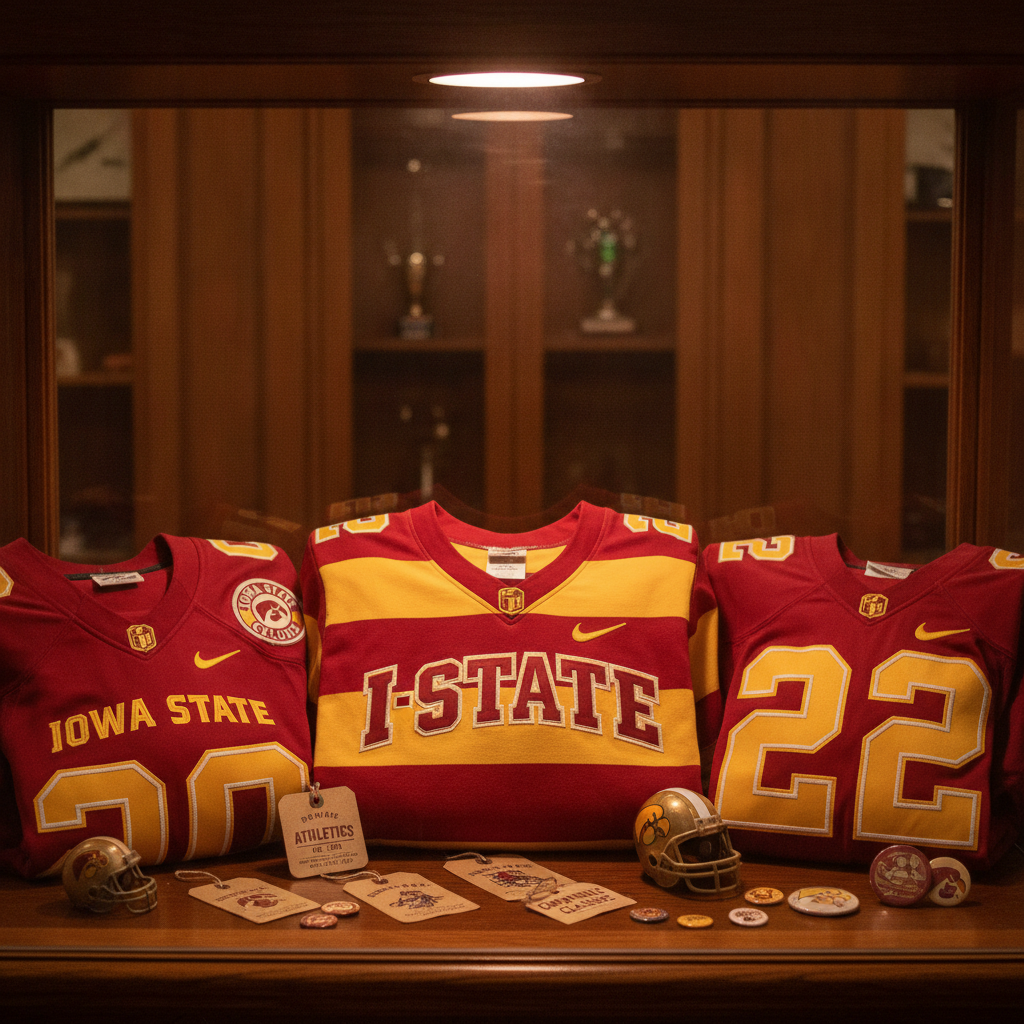
The Technology Behind Modern Performance Fan Wear for Cyclones Supporters
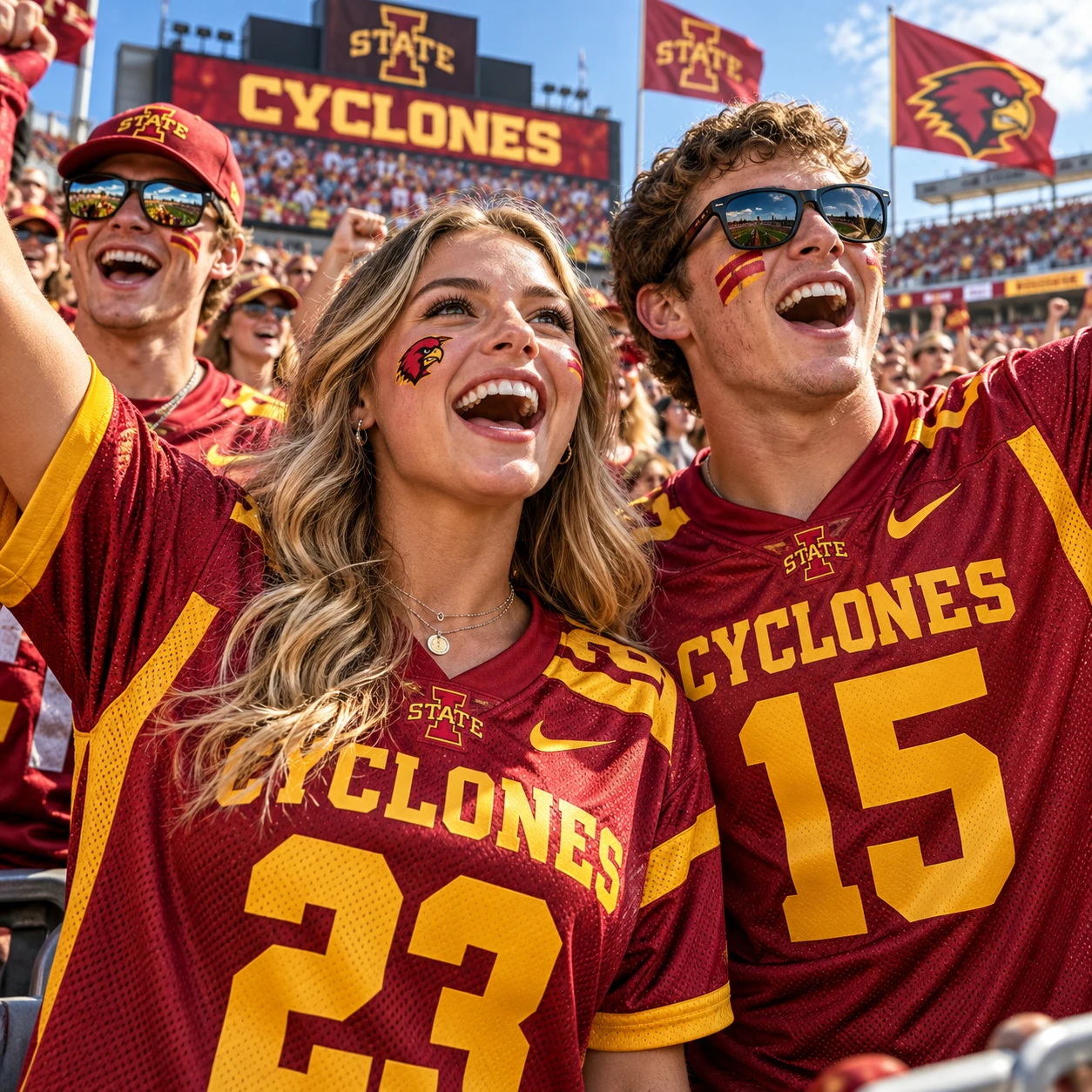
Modern performance fan wear brings together team identity and practical comfort. For Cyclones supporters, the right jersey or fan shirt can show school spirit while offering a lighter feel, better airflow, and more freedom to move than some traditional apparel.
Those benefits depend on the garment’s fabric, construction, fit, and care needs. Understanding how these features work makes it easier to choose college jerseys and other Cyclones gear for game day, travel, or everyday use.
What Makes Fan Wear “Performance” Apparel?
Performance fan wear uses garment materials and design choices intended to support comfort during activity and extended wear. Compared with basic fan clothing, it often emphasizes moisture management, breathability, lightweight construction, and movement-friendly fit.
A traditional cotton team shirt may feel soft and familiar, but it can hold onto moisture and feel heavier when damp. Performance apparel commonly uses synthetic fibers, or blends, that help moisture spread across the fabric surface so it can evaporate more readily. The exact feel and results vary by fabric, garment design, and conditions.
“Performance” is a useful category, not a guarantee that every item will behave the same way. A lightweight jersey designed for warm-weather comfort may feel less substantial than a thicker sweatshirt, while a stretch fabric may suit active movement better than a stiff, structured cut. Look at the garment’s details rather than relying on the label alone.
For Cyclones supporters shopping for college jerseys, the practical question is simple: will the piece work for how and where you plan to wear it? Consider time outdoors, expected activity, and whether you want a close athletic fit or a relaxed layer.
Fabrics Designed for Comfort
Moisture-wicking fabric, breathable construction, and lightweight materials can help fan wear feel more comfortable by moving moisture, allowing airflow, and reducing bulk. These features are useful at a crowded game or during an active day, though no fabric can control heat or humidity on its own.
Moisture management describes how a fabric handles perspiration. Rather than soaking up and retaining moisture like some heavier materials, many performance fabrics spread it across a broader area, where it may dry more quickly. This can help a garment feel less clingy, but the effect depends on the fiber, fabric structure, and conditions.
Breathable construction can also make a difference. The weave or knit, garment panels, and overall thickness affect how readily air moves through the clothing. A thin, open-feeling fabric may suit warm weather, while a denser jersey can offer more coverage but feel warmer. Check product descriptions and, when possible, the fabric in person.
Lightweight materials are easy to pack and layer, but they may feel less substantial than traditional apparel. Some supporters prefer that barely-there feel; others want a heavier hand or more structure. There is no universally best choice, only a better match for your comfort preferences and intended use.
Fit, Stretch, and Freedom to Move
Fit and sizing determine how performance fan wear feels during movement and whether it works as a standalone piece or a layer. Flexible materials and a well-considered cut can support reaching, walking, and cheering without making the garment feel restrictive.
Stretch can come from the fabric itself or from how the garment is cut and assembled. A little give may make it easier to move in a jersey, while a roomier cut can provide comfort without relying on stretch. For everyday wear, some people prefer a relaxed shape; others want a closer athletic silhouette.
Use the shop’s size chart as a starting point, especially when buying online. Compare the listed chest, length, and other measurements with a garment you already find comfortable. If you plan to wear a shirt or sweatshirt underneath, allow for that layer. Sizes and fits can differ between styles, so do not assume one size will fit identically across every item.
- For active movement: Look for a cut that allows your arms and shoulders to move comfortably.
- For layering: Check whether the garment leaves enough room over a base layer.
- For a casual fit: Compare garment length and width with a favorite everyday shirt.
More stretch is not automatically better. A very flexible garment may feel less structured, while a firmer fabric can hold its shape more distinctly. Choose the balance that feels right for your routine.
Team Identity Meets Everyday Wearability
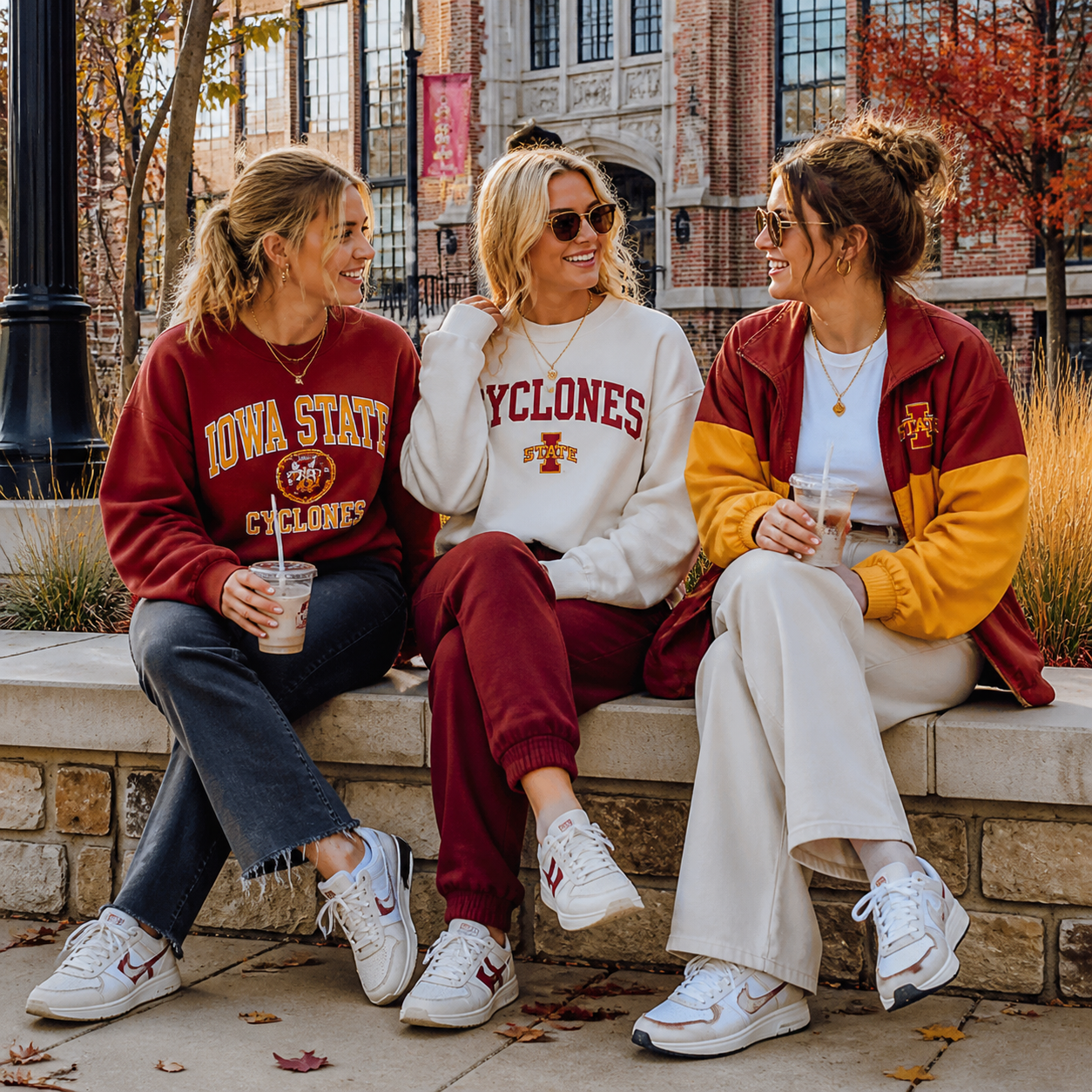
Cyclones team colors and graphics give fan wear its identity, while jersey styling and wearable cuts can make it easier to use beyond game day. The strongest choice for everyday use is often the one that expresses your support without feeling out of place in your regular wardrobe.
Color blocking, printed graphics, lettering, and jersey details can create a bold stadium look. A simpler team-color shirt may pair more easily with jeans or casual layers. Think about how prominent you want the team design to be and whether you want a piece for a specific event or one you can wear often.
College jerseys can also differ in shape and visual detail. Some have a sport-inspired cut, while others borrow jersey graphics in a more casual silhouette. Product photos and descriptions can help, but pay attention to the listed fit and fabric as well as the team design.
Everyday wearability involves practical considerations too: how the material feels against your skin, whether the graphics suit your preferences, and how easily the garment fits into your existing clothes. A statement jersey can be ideal for game day; a more understated piece may earn more frequent use.
Choosing the Right Cyclones Performance Gear
To choose Cyclones performance gear, match the garment’s fit, fabric feel, and care needs to when you will wear it. Start with intended use, then check sizing and construction details before deciding which team style suits you.
Use this quick selection framework:
- Set the occasion. Decide whether the item is mainly for a game, travel, exercise, or everyday outfits. Your intended use helps narrow down fabric weight and cut.
- Choose the feel. Consider whether you prefer a soft, lightweight surface or a denser, more structured fabric. If you are sensitive to cling, look for a fit that is not too close to the body.
- Check the measurements. Review the size chart and garment description. Think about layering and compare measurements with clothing you already own.
- Inspect the details. Look at team colors, graphics, seams, and any stated fabric information. These details affect the look, feel, and upkeep of the piece.
- Plan for care. Check the care label before buying if you prefer low-maintenance clothing or expect to wash the item often.
One common buying mistake is choosing by team graphic alone. It is easy to overlook a close fit or fabric weight that will not suit your plans. Another is assuming “performance” means the same construction across all styles. Read each listing carefully, and contact the retailer if key sizing or material details are missing.
Keeping Performance Fan Wear in Good Condition
Care and durability depend on the garment’s fabric, graphics, construction, and washing routine. Follow the care label first; general habits such as washing similar colors together and avoiding unnecessary heat can help protect apparel over time.
Before washing, check the garment label for water temperature, drying instructions, and any warnings about graphics or trims. Turn printed or decorated items inside out when the label allows, and avoid rough items such as zippers rubbing against them in the wash. These steps may reduce friction, but they cannot guarantee that a print or fabric will remain unchanged indefinitely.
Use a suitable detergent and do not assume that fabric softener is appropriate for every performance material. When instructions are unclear, the garment’s label or retailer is the best guide. High heat can affect some fabrics and applied graphics, so follow the stated drying directions rather than treating every jersey like a cotton shirt.
For storage, make sure garments are dry before putting them away. If a jersey has a delicate decoration or a shape that creases easily, folding it carefully or hanging it as directed can help keep it ready to wear. Consistent, label-led care is more reliable than a one-size-fits-all laundry rule.
Frequently Asked Questions
What is the difference between performance fan wear and a traditional jersey?
Performance fan wear is generally designed with features such as moisture management, lightweight materials, and flexible construction. A traditional jersey may use heavier or less stretchable fabric and prioritize a classic look or structure. The difference depends on the individual garment, so check its materials and fit rather than judging by the name.
Is performance fan wear suitable for everyday use?
Yes. Many supporters wear performance fan wear for errands, travel, and casual outfits as well as games. Consider whether the fit, graphics, and fabric feel suit your routine; a bold jersey may work best for events, while a simple team-color piece can be easier to style day to day.
What should Cyclones supporters check when choosing a jersey?
Check the size chart, intended fit, fabric description, graphics, and care instructions. Think about the weather and whether you will layer it over another shirt. If a product listing does not explain an important detail, ask the college jerseys shop before ordering.
How should performance fan apparel be cared for?
Follow the garment’s care label for washing and drying. When permitted, washing decorated clothing inside out and avoiding unnecessary heat may help reduce wear, but care instructions differ by fabric and design.