
Limited Edition and Retro Iowa State Jerseys: A Collector's Guide
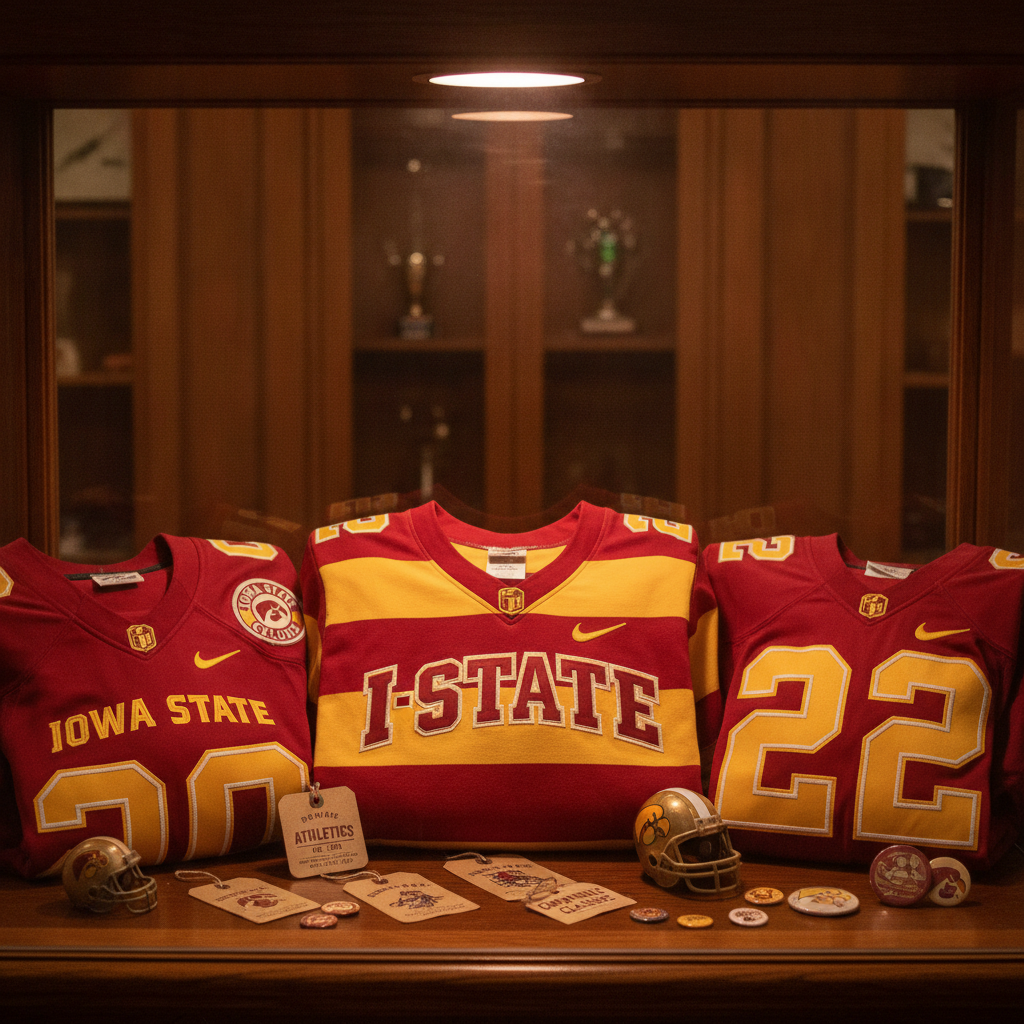
Limited-edition and retro Iowa State jerseys combine school identity, sports history, and personal nostalgia. For collectors, the appeal goes beyond wearing cardinal and gold on game day: a jersey can represent a memorable era, a favorite player, a special release, or a carefully preserved piece of college sports apparel.
The challenge is knowing what you are actually buying. Terms such as retro, throwback, vintage, replica, and authentic often describe different products, while condition, licensing, sizing, and provenance can affect a jersey’s usefulness and collectible appeal. This guide provides a practical way to compare Iowa State jerseys before you purchase, wear, or display one.
What Makes an Iowa State Jersey Limited Edition or Retro?
A limited-edition Iowa State jersey is produced for a defined release, collaboration, event, or design concept, while a retro or throwback jersey revisits an earlier look. A standard fan jersey usually offers a more widely available team design intended for everyday support.
Limited-edition jerseys may feature a special patch, alternate color treatment, commemorative detail, unusual trim, or a short production run. Availability alone does not prove rarity. A product may be temporarily difficult to find because of stock levels, while a genuinely limited release should have clearer information about its edition, licensing, or launch context.
Retro jerseys borrow visual elements from a previous Iowa State era. These details can include older-style striping, typography, sleeve construction, fabric texture, number placement, or historical logo treatment. A retro-inspired product is not automatically an original vintage jersey. It may be a newly manufactured garment designed to look older.
The term throwback is often used similarly to retro, particularly when a jersey recreates a recognizable former uniform. In contrast, vintage generally refers to an older garment that was produced and sold during its original period. A current reproduction can be historically styled without being vintage.
- Standard jersey: a current team design made primarily for fan wear.
- Replica jersey: a licensed fan version that resembles an on-field or on-court uniform but may use different materials and construction.
- Authentic jersey: a product made to more closely match the team-issued design, specifications, and details of its era.
- Retro or throwback jersey: a newer item that recreates or references an earlier style.
- Vintage jersey: an older original garment, provided its age and provenance can be supported.
Why Collectors Seek Iowa State Jerseys
Collectors seek Iowa State jerseys because they connect team identity with tangible memories of players, seasons, designs, and personal experiences. The strongest collections usually reflect a clear story rather than simply the largest number of garments.
The Iowa State Cyclones have a distinctive visual identity, and cardinal-and-gold apparel can be meaningful even when a jersey is not tied to a specific player or historic result. Some collectors focus on the evolution of logos and uniform design. Others prefer a particular sport, a favorite number, or a jersey associated with attending games in Ames.
Classic styling also matters. Older-looking lettering, contrasting trim, mesh construction, and straightforward number layouts can feel more distinctive than mass-market fan apparel. A limited release gives collectors another reason to look closely because its design may occupy a narrow place between ordinary merchandise and team-issued memorabilia.
There is also a practical distinction between collecting and speculation. A jersey may have strong personal value without having a predictable resale market. Player association, documented release information, condition, and buyer demand can change over time. Purchase pieces because you appreciate their story first, and treat future value as uncertain.
How to Evaluate a Collectible Iowa State Jersey
Evaluate a collectible Iowa State jersey by checking its design, construction, labels, logos, lettering, condition, and provenance together. No single tag or visual detail can establish authenticity for every product and era.
Start with the garment itself
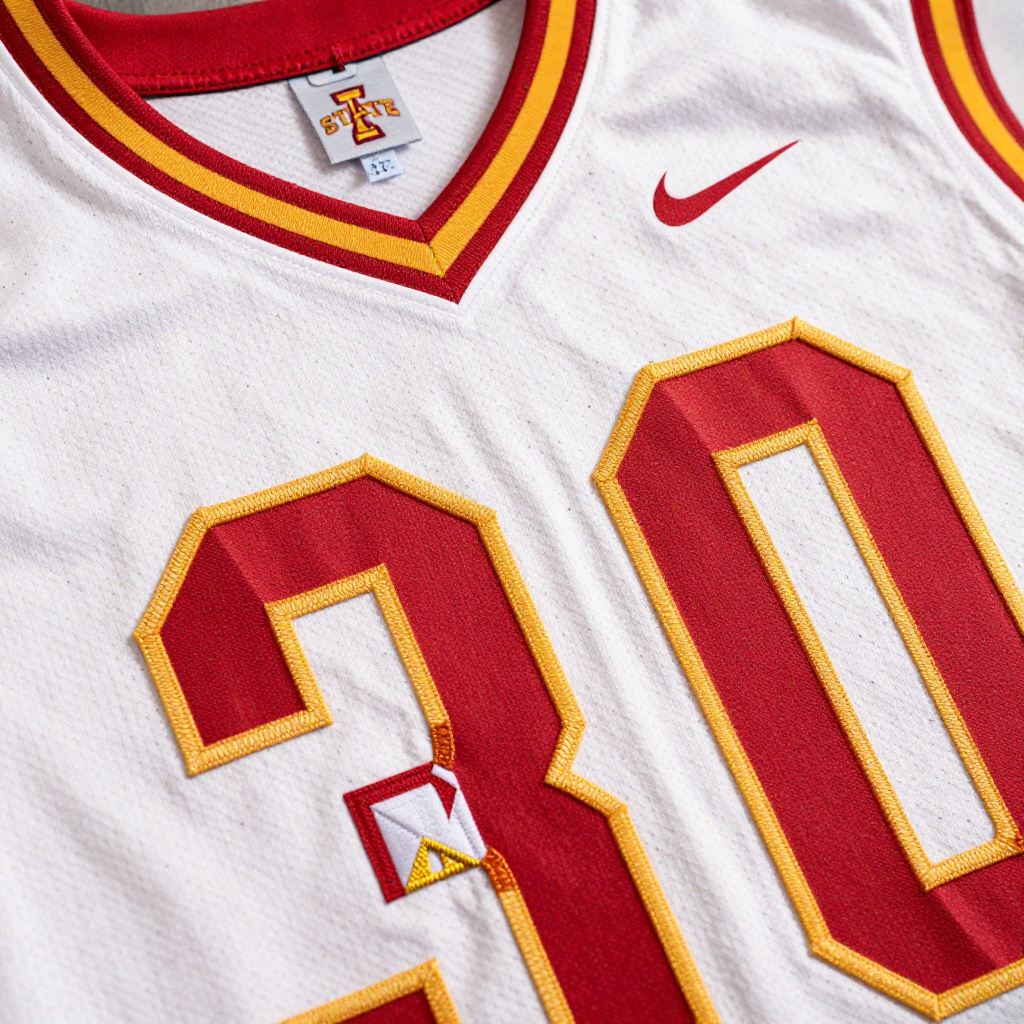
Compare the jersey’s colors, fonts, trim, number placement, and logo treatment with reliable images from the relevant period or official product information. Look for clean stitching, consistent spacing, securely attached lettering, and fabric appropriate to the claimed style.
Examine the neck label, care label, manufacturer mark, licensing information, size, and product code where available. A missing tag does not automatically make a jersey fake, especially on an older or heavily worn item, but it reduces the amount of evidence you can verify.
Assess condition and provenance
Collectible condition includes more than visible stains. Check for pulled threads, seam separation, fading, cracking graphics, stretched ribbing, missing patches, odor, and alterations. A professionally repaired jersey may remain wearable, but repairs should be disclosed and documented.
Provenance means the history supporting where the jersey came from. Useful evidence can include an original receipt, retailer information, release packaging, photographs, or a clear account from the previous owner. Provenance strengthens confidence, but an attractive jersey with no paperwork may still be a legitimate fan product.
Recognize warning signs
- Product photos show inconsistent logos, blurry lettering, or mismatched colors.
- The seller uses “authentic” without explaining whether the item is licensed, team-issued, or simply high quality.
- Tags, size information, and measurements conflict with one another.
- The price is unusually low while the listing makes unsupported claims about rarity.
- The seller refuses to provide close-up images of labels, stitching, patches, or flaws.
When in doubt, describe the item accurately as a retro-style, replica, or vintage-looking jersey rather than making a definitive authentication claim. Official licensing information from the Iowa State Cyclones athletics website can help with team context, although it cannot authenticate every secondhand garment.
Choosing the Right Size and Style
Choose an Iowa State jersey by measuring the garment, checking the seller’s size chart, and deciding whether it is for game-day wear or display. A collector’s preferred fit may differ from the size they normally wear in shirts.
Jersey sizing and fit vary by manufacturer, sport, era, and construction. Shoulder width, chest measurement, body length, sleeve opening, and hem shape can all change between a loose replica and a closer-cut authentic style. When possible, compare the listed measurements with a jersey or jacket you already own.
Consider the intended use before ordering:
- Game-day wear: prioritize comfortable room through the chest and shoulders, breathable fabric, and easy layering.
- Casual styling: consider a relaxed fit that works over a T-shirt without excessive length.
- Display: prioritize correct proportions, clean construction, and a size that fits your frame or display case.
- Customization: verify whether names and numbers are factory applied, professionally added, or removable, since customization can affect both appearance and collector appeal.
Choosing a display-focused collectible for frequent wear means accepting more handling, washing, and sunlight exposure. Choosing a wearable replica may offer greater comfort while providing fewer construction details than an authentic-style garment. Neither choice is automatically better; the right option depends on the role you want the jersey to play.
Buying Limited-Edition and Retro Iowa State Jerseys
Before buying a limited-edition or retro Iowa State jersey, verify the product description, seller, photos, measurements, availability, return policy, and condition. A short checklist can prevent most avoidable disappointments.
- Identify the product type. Confirm whether it is licensed, replica, authentic-style, retro-inspired, vintage, or secondhand.
- Review all measurements. Do not rely on a familiar size label alone.
- Inspect photographs. Look for close-ups of the neck tag, care label, logo, numbers, stitching, patches, and any wear.
- Check release information. If the listing calls the jersey limited edition, look for a named collection, official collaboration, numbered run, or other support for that description.
- Evaluate the seller. Review business details, customer feedback, response quality, and whether the seller answers specific questions.
- Read returns and condition terms. Understand who pays return shipping and whether customized or clearance items are excluded.
- Compare total value. Include shipping, taxes, customization, and the cost of professional framing if the jersey is intended for display.
A trustworthy college jerseys shop should make the garment’s material, fit, licensing status, and condition easy to understand. Be cautious with countdown timers, unexplained “one of one” language, or pressure to buy before you can inspect essential details.
Caring for and Displaying Your Jersey
Protect an Iowa State jersey by washing it gently, limiting sunlight and moisture, and storing it without crushing lettering or graphics. Display methods should reduce tension on the fabric and avoid adhesives touching the garment.
Always follow the care label first. In general, turn the jersey inside out, use cold water and a mild detergent, select a gentle cycle, and avoid chlorine bleach. Air-dry it flat or on a broad, padded hanger. High heat from a dryer can shrink fabric and damage heat-applied numbers, names, or patches.
For storage, use a clean, dry, dark area with stable temperature and moderate humidity. Avoid attics, damp basements, plastic bags that trap moisture, and narrow wire hangers that can create shoulder points. Acid-free tissue can help support folded areas, but do not press directly against raised lettering for long periods.
Framing creates an attractive display, yet it can make cleaning and inspection more difficult. Use archival materials, UV-protective glazing, and enough interior depth to prevent the jersey from being flattened against the glass. If hanging a jersey, choose a wide padded hanger and keep it away from direct windows, heating vents, and exterior walls prone to condensation.
Building an Iowa State Jersey Collection
Build an Iowa State jersey collection around a clear organizing principle, such as era, sport, design, player, release type, or personal significance. A focused theme makes each purchase easier to evaluate and reduces impulse buying.
One useful framework is the three-part collection map:
- Anchor pieces: distinctive limited-edition, vintage, or strongly documented jerseys that define the collection.
- Context pieces: standard or replica Iowa State jerseys that show a design transition, sport, or period.
- Personal pieces: jerseys connected to a game attended, gift received, family tradition, or favorite memory.
Keep a simple inventory with photos, purchase date, seller, product description, measurements, condition notes, and care instructions. This record helps you avoid duplicate purchases and makes future insurance or estate documentation easier.
Set a purchase filter before browsing: Is the design meaningful? Can the item be verified? Is the condition acceptable? Will you wear it, frame it, or store it? If a jersey fails two of those tests, waiting is usually wiser than buying quickly because a listing claims scarcity.
Frequently Asked Questions
What is the difference between a retro and a limited-edition Iowa State jersey?
A retro jersey describes an older-inspired design, while a limited-edition jersey describes restricted or special availability. One jersey can be both retro and limited edition, but the terms refer to different characteristics.
How can I check whether an Iowa State jersey is authentic?
Check labels, licensing marks, construction, logos, lettering, measurements, seller evidence, and provenance together. Without examining the specific garment, no general guide can provide a definitive authentication judgment.
Should a collectible jersey be worn or displayed?
Wear it if personal enjoyment is the priority and the condition can tolerate washing and handling. Display it if preserving graphics, fabric, and construction matters more; rotating it between occasional wear and protected display offers a practical compromise.
How should I wash and store an Iowa State jersey?
Follow the care label, use cold water and mild detergent, avoid high heat, air-dry the garment, and store it in a cool, dry, dark place. Protect lettering from friction and do not use narrow wire hangers.
What should I look for when buying a vintage-style jersey online?
Confirm whether it is genuinely vintage or newly made in a retro style, then inspect measurements, labels, logos, close-up photos, condition, seller history, and return terms. Clear language is a stronger sign of a trustworthy listing than dramatic rarity claims.