The Evolution of Iowa State Cyclones Jersey Designs Through the Decades
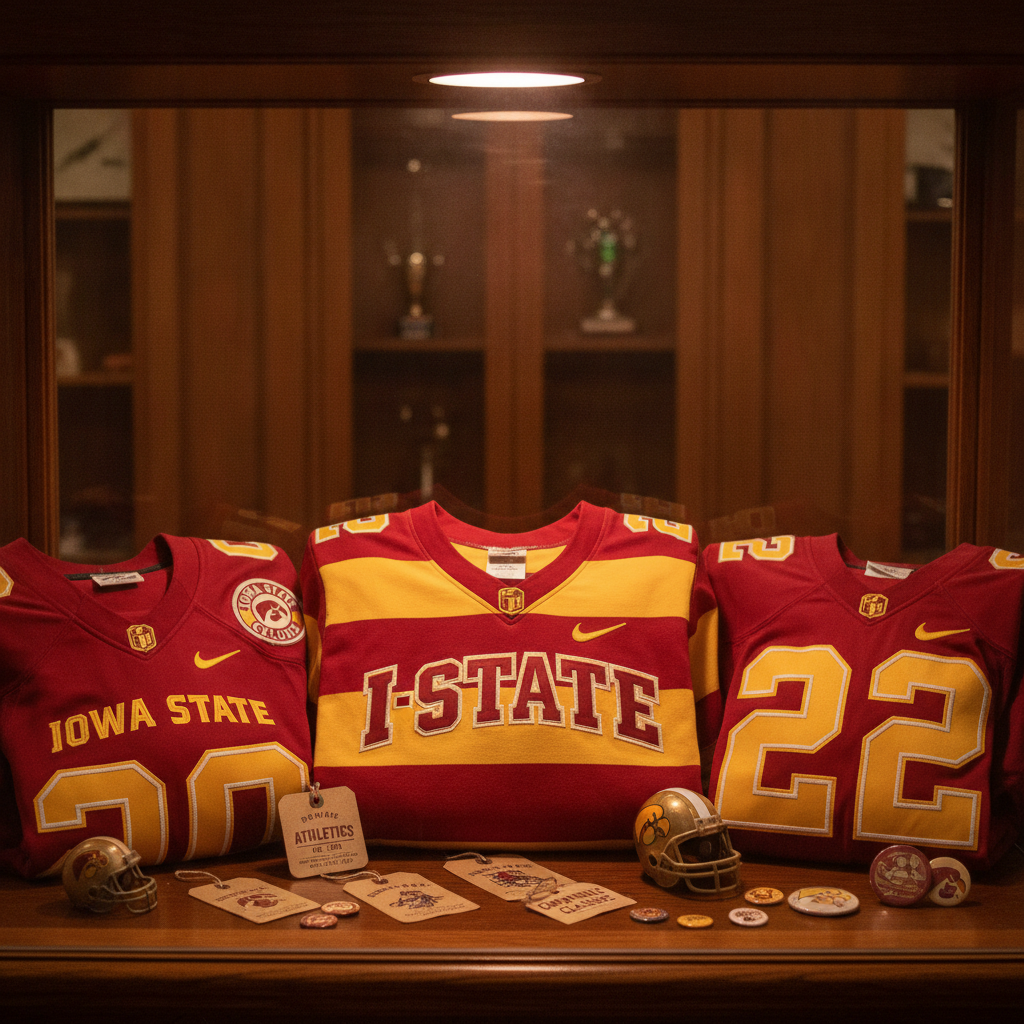
Iowa State Cyclones jerseys have undergone significant transformations over the past seven decades, reflecting changes in athletic apparel technology, branding strategies, and the evolving identity of the program. From the wool jerseys of the 1950s to today's engineered performance fabrics, each era has left its mark on what Cyclones athletes wear on game day.
The jerseys tell a visual story of the program's history, capturing moments of triumph, periods of rebranding, and the constant balance between honoring tradition and embracing innovation. For fans looking to understand the rich heritage behind the cardinal and gold, examining jersey evolution provides a tangible connection to Iowa State athletics across generations.
The Early Years: Establishing the Cardinal and Gold Identity (1950s-1970s)
Iowa State's cardinal and gold color scheme became the official standard during the mid-20th century, establishing the foundation for all future jersey designs. These early jerseys featured heavy wool or cotton-blend materials with simple block numbers on the front and back, minimal striping along the shoulders or sleeves, and straightforward lettering that prioritized visibility over aesthetic complexity.
The 1950s and 1960s saw jerseys with thick fabric construction that reflected the manufacturing limitations of the era. Numbers were typically sewn-on tackle twill, creating a raised texture that could withstand the physical demands of football and basketball. The cardinal home jerseys paired with white or gold away uniforms, though the exact shades varied depending on fabric availability and dye consistency.
During the 1970s, synthetic materials began replacing traditional wool, making jerseys lighter and more breathable. The Cyclones branding started appearing more consistently, though the iconic Cy mascot logo wasn't yet prominently featured on jerseys. This era established the fundamental template that would guide Iowa State's visual identity: cardinal as the primary home color, gold as an accent, and white for away games.
The Classic Era: Simple Stripes and Block Letters (1980s-1990s)
The 1980s and 1990s represented the classic period that many longtime Iowa State fans remember with particular nostalgia. Jerseys featured clean lines, straightforward typography, and minimal embellishment, reflecting the broader aesthetic of college athletics during this period.
Football jerseys typically displayed bold block numbers with single or double striping on the sleeves, often alternating cardinal, gold, and white patterns. The collar styles evolved from crew necks to V-necks and back again, following trends across college football. Russell Athletic served as a primary uniform supplier for many athletic programs during portions of this era, providing standardized designs with modest customization options.
Basketball jerseys maintained similar design principles with wider arm openings and tank-top styling that became standard across the sport. The Iowa State wordmark appeared more frequently across the chest, particularly in basketball, helping establish name recognition during televised Big 12 Conference games.
This era's jerseys are now considered classics precisely because of their restraint. Without the technological capabilities or marketing pressures that would emerge later, designers focused on legibility, durability, and team identification rather than fashion-forward experimentation. The result was a timeless look that still resonates with fans who experienced Cyclones athletics during these decades.
Modernization and the Nike Partnership (2000s)
The 2000s brought dramatic changes to Iowa State jersey designs as Nike became the official uniform provider, introducing advanced fabric technologies and contemporary styling that transformed college athletic apparel. This partnership marked the beginning of performance-focused design, with moisture-wicking materials, strategic ventilation panels, and tailored fits replacing the looser, heavier jerseys of previous decades.
Nike's influence introduced several key innovations: Dri-FIT fabric technology that pulled sweat away from the body, more athletic cuts that reduced excess material, and higher-quality screen printing and tackle twill that improved durability. The Cyclones logo variations became more refined and consistently applied, with the interlocking "ISU" and cyclone storm graphic appearing more prominently.
Football jerseys adopted the more aggressive, contoured silhouettes that characterized early 2000s athletic fashion. Numbers became slightly more stylized with beveled edges and subtle shadowing effects, though Iowa State generally avoided the extreme typography experiments that some programs embraced.
The Big 12 Conference patches became standardized during this period, appearing consistently on jersey sleeves or shoulders. This decade also saw Iowa State begin experimenting with different gold shades, sometimes leaning toward a brighter yellow-gold and other times favoring a deeper metallic tone. These variations reflected ongoing discussions within the athletic department about which specific hues best represented the university's brand.
Bold Experiments: Alternate Jerseys and Special Editions (2010s)
The 2010s marked Iowa State's most adventurous period in jersey design, with alternate color schemes, special edition uniforms, and occasional one-off designs that broke from traditional cardinal and gold. These experiments reflected broader trends across college athletics, where programs increasingly used uniform variations to generate fan excitement, recruit athletes, and create social media moments.
Iowa State introduced all-black alternate jerseys that became particularly popular for night games, creating "blackout" atmosphics at Jack Trice Stadium. These uniforms typically retained gold or cardinal accents but departed significantly from traditional color schemes. The reception was mixed among longtime fans who valued tradition, but they proved popular with younger supporters and became sought-after items in the replica jersey market.
Throwback uniforms emerged during this decade as programs across college football embraced nostalgia marketing. Iowa State occasionally wore jerseys inspired by classic designs from the 1970s or 1980s during homecoming games or rivalry matchups, featuring old-style fonts, stripe patterns, and logo treatments that connected current teams with program history.
Special commemorative patches and uniform elements appeared for milestone games, conference championships, and bowl appearances. The 2011 season, which saw Iowa State finish with a winning record and bowl victory, featured jerseys that many fans now associate with a resurgent period for the program.
One common mistake fans make is assuming all alternate jerseys from this era were official game-worn uniforms. Some designs that appeared in marketing materials or recruiting graphics were concept jerseys never actually used in competition, creating confusion about which variations are authentic parts of Iowa State's jersey history.
Current Era: Performance Fabrics and Refined Branding (2020s)
Today's Iowa State Cyclones jerseys represent the culmination of decades of technological advancement and design refinement. Modern jerseys feature engineered mesh zones for targeted ventilation, four-way stretch fabrics for unrestricted movement, and construction techniques that reduce weight while maintaining durability.
The current Nike partnership has produced jerseys with more sophisticated branding integration. The Cyclones logo appears in multiple locations with careful attention to size and placement, creating visual consistency across football, basketball, and other sports. The color standardization has improved significantly, with specific Pantone matches ensuring that cardinal and gold appear consistent across all uniform elements and merchandise.
Football jerseys now incorporate elements from Nike's advanced uniform systems, including lightweight shoulder pad integration and seamless construction in high-stress areas. Numbers feature refined typography that balances modern aesthetics with legibility requirements for officials and television broadcasts.
The 2020s have also seen Iowa State strike a better balance between tradition and innovation. While alternate uniforms still appear occasionally, the primary home and away jerseys have returned to more classic cardinal and white foundations with gold accents, acknowledging fan preferences for recognizable Cyclones branding.
Sustainability has become a consideration in modern jersey production, with Nike incorporating recycled polyester in some uniform components. This represents yet another evolution in how jerseys are conceived, moving beyond pure performance and aesthetics to consider environmental impact.
Most Iconic Jersey Moments in Cyclones History
Certain jerseys have become permanently associated with pivotal moments in Iowa State athletics, transforming functional athletic wear into artifacts of program history. These memorable uniforms represent more than design choices; they embody the emotions and achievements of specific seasons, games, or eras.
The 2002 season jerseys hold special significance for many fans, as Iowa State finished 7-7 and competed in the Independence Bowl, representing a period of competitive football under coach Dan McCarney. The relatively simple cardinal and gold jerseys worn during this era now carry nostalgic weight for supporters who remember the program's hard-fought respectability.
Seneca Wallace's era jerseys from the early 2000s are frequently cited by fans discussing iconic Cyclones uniforms. The dual-threat quarterback's electrifying performances made the cardinal jerseys he wore during the 2002 and 2003 seasons instantly recognizable to a generation of Iowa State supporters.
More recently, the 2020 Fiesta Bowl jerseys represent another landmark moment. Iowa State's victory over Oregon in that game marked one of the program's most significant bowl wins, and the uniforms worn during that achievement have become highly desirable among collectors. The cardinal jerseys with refined gold accents and modern Nike design elements capture both traditional Cyclones identity and contemporary success.
Basketball jerseys from the 2000-2001 season, when Iowa State reached the Elite Eight, similarly occupy a cherished place in program lore. Those uniforms represent the peak of Cyclones basketball success and remain popular references for throwback-style merchandise.
Frequently Asked Questions
What are Iowa State's official jersey colors?
Iowa State's official colors are cardinal (a deep red) and gold. The primary home jerseys are cardinal with gold and white accents, while away jerseys are typically white with cardinal and gold details. These colors have been the official school colors for decades, though the specific shades have been refined over time to ensure consistency across all athletic uniforms and university branding.
Has Iowa State ever changed its primary logo on jerseys?
Iowa State has used several logo variations on jerseys throughout its history rather than a single unchanged primary logo. Common designs include the interlocking "ISU" letters, the Cyclone storm graphic, and text-based "Iowa State" or "Cyclones" wordmarks. The athletic department has refined and updated these logos over the decades, with the most significant branding updates occurring during the 2000s and 2010s to create more consistent visual identity across all sports.
Where can fans purchase authentic Iowa State Cyclones jerseys?
Fans can purchase official Iowa State jerseys through the university bookstore, the official Nike website, and authorized sporting goods retailers. The Iowa State athletics website also directs fans to licensed merchandise partners. Authentic game-style jerseys typically cost more than replica versions, which use different materials and construction methods but display the same designs and branding.
What is the difference between Iowa State's home and away jerseys?
Iowa State's home jerseys are primarily cardinal with gold and white accents, worn during games at Jack Trice Stadium or Hilton Coliseum. Away jerseys are typically white with cardinal numbers and gold trim, designed to contrast with opponents' home uniforms. The home-away designation follows standard college athletics conventions where the home team wears its primary school color and the visiting team wears white or a lighter alternative.
Does Iowa State wear throwback jerseys for special games?
Iowa State occasionally wears throwback or retro-inspired jerseys for special occasions such as homecoming, rivalry games, or anniversary celebrations. These uniforms reference designs from previous decades, typically the 1970s through 1990s, and aim to connect current teams with program history. The frequency and specific designs vary by season based on athletic department decisions and available uniform options from Nike.