A Guide to Authentic vs. Replica Iowa State Jerseys: Spotting the Differences
Understanding Authentic vs. Replica Iowa State Jerseys
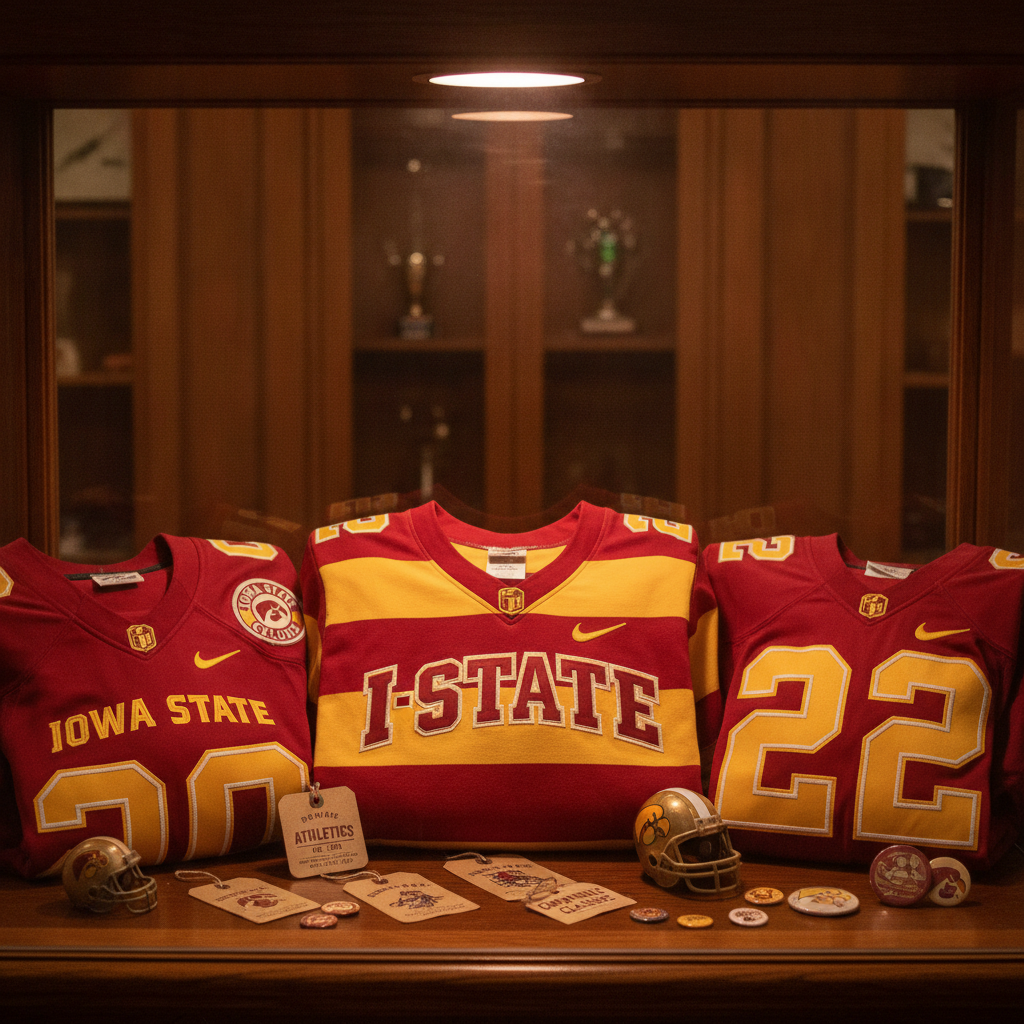
Authentic Iowa State jerseys are the same performance-grade uniforms players wear on the field, while replica jerseys are fan-oriented versions designed for casual wear at a lower price point. Both are officially licensed by the NCAA and manufactured by Nike, but they serve different purposes and come with distinct construction methods.
The distinction matters because many Iowa State Cyclones fans assume they're getting player-quality gear when they purchase any "official" jersey. Authentic jerseys typically cost $250-350 and feature advanced moisture-wicking fabrics, tackle twill numbers, and tailored athletic cuts. Replica jerseys range from $80-120 and use screen-printed graphics with more relaxed fits suitable for everyday wear.
Neither option is inherently better—your choice depends on whether you prioritize game-day performance technology or budget-friendly team spirit. The real concern emerges with counterfeit jerseys that deceive buyers by mimicking authentic design elements while delivering substandard quality. Understanding what separates these categories helps you invest in the right product for your needs.
Key Visual Differences Between Authentic and Replica Cyclones Jerseys
The most obvious difference is in the numbers and lettering: authentic Iowa State jerseys use stitched tackle twill with multiple fabric layers, while replicas feature heat-pressed screen printing. Run your fingers across the numbers—if they're raised with visible thread edges and slight texture variations, you're holding an authentic jersey. Flat, smooth graphics indicate a replica.
Look at the Nike Swoosh placement and construction. Authentic jerseys have embroidered Swooshes with dense thread counts that create a three-dimensional effect. Replica versions typically use printed or lower-quality embroidered logos that appear flatter. The official NCAA licensing hologram also differs in placement: authentics display it on an interior neck tag, while replicas may show it on a lower hem tag.
The collar construction reveals significant differences. Authentic Iowa State jerseys feature reinforced collar systems with interior taping and stretch panels designed to withstand aggressive gameplay. Replica collars use standard rib-knit construction similar to everyday athletic shirts. Check the side panels as well—authentics incorporate mesh ventilation zones in cardinal and gold team colors, whereas replicas maintain solid fabric throughout.
Sizing labels provide another visual cue. Authentic jerseys list numeric sizes (40, 44, 48) that correspond to chest measurements, similar to professional uniforms. Replicas use standard S/M/L/XL sizing familiar to casual apparel shoppers. This sizing philosophy reflects their different intended audiences: athletes versus fans.
Material and Construction Quality: What Sets Them Apart
Authentic jerseys use Nike's Vapor F.U.S.E. chassis or similar performance fabrics that combine polyester with spandex blends for four-way stretch and moisture management. These materials are engineered to wick sweat 30-40% faster than standard polyester, though you'll only notice this advantage during actual athletic activity.
The fabric weight tells a clear story. Authentic Iowa State jerseys typically weigh 4-5 ounces due to lightweight technical fabrics with strategic perforation patterns. Replica jerseys use denser 6-7 ounce polyester mesh that feels more substantial but offers less breathability. For most fans watching from the stands or wearing jerseys casually, this difference has minimal practical impact.
Stitching quality separates the categories dramatically. Authentics feature double-needle flatlock stitching at stress points with reinforced bartacks at shoulder seams. This construction survives repeated washing and physical contact that would cause replica seams to separate after a season of regular wear. Replica jerseys use standard chain stitching adequate for occasional use but vulnerable to unraveling if snagged.
The trade-off becomes clear: choosing authentic jerseys for superior durability means accepting a tighter, less forgiving fit designed for athletic builds. Replica jerseys offer everyday comfort and easier care (they're more forgiving in the wash) at the cost of longevity. A well-maintained authentic jersey can last 8-10 years of regular use, while replicas typically show noticeable wear after 3-4 years.
Price Points and Where to Buy Official Iowa State Jerseys
Expect to pay $275-325 for authentic Iowa State Cyclones jerseys and $90-110 for official replicas through authorized retailers. The 200% price gap reflects material costs, manufacturing complexity, and licensing tier structures rather than arbitrary markup.
The Iowa State University Bookstore (both physical and online locations) carries the most comprehensive selection of officially licensed jerseys with guaranteed authenticity. NCAA-approved retailers like Fanatics, Dick's Sporting Goods, and Nike's official site also stock legitimate products. These authorized channels ensure your purchase supports the Iowa State athletics program through proper licensing agreements.
Beware of significant discounts that seem too good to be true. Authentic jerseys rarely drop below $200 even during sales events, and replicas bottom out around $70. A "$50 authentic jersey" is almost certainly counterfeit. The retail vs. resale market presents additional considerations—secondhand authentic jerseys from players or collectors can offer value, but verify authenticity through detailed inspection before purchasing.
Seasonal timing affects availability more than price. Iowa State jersey inventory peaks in July-August before football season and again during bowl game preparations. Custom nameplate options (your name instead of a player's) typically add $30-50 to either jersey type and extend delivery times by 2-3 weeks.
How to Spot Counterfeit Iowa State Jerseys
Counterfeit jerseys exhibit telltale signs that distinguish them from both authentic and official replica products: misspelled text, incorrect font styles, and poorly aligned graphics. Check the "Cyclones" wordmark carefully—fakes often use wrong letter spacing or substitute similar but incorrect fonts.
The hologram tag provides the most reliable verification method. Official NCAA licensing holograms feature multidimensional imagery that shifts when tilted, along with microtext reading "Official Licensed Product." Counterfeit holograms appear flat, use low-resolution printing, or omit the microtext entirely. Some fakes skip the hologram altogether, which immediately disqualifies them.
Examine the fabric tags and care labels. Legitimate Nike jerseys include multiple sewn-in tags with detailed material composition, country of manufacture, and specific washing instructions in multiple languages. Counterfeit tags often show:
- Blurry or pixelated Nike Swoosh logos on tags
- Grammatical errors in care instructions
- Missing RN numbers (Nike's is RN #56323)
- Tags that feel like paper rather than woven fabric
- Incorrect font weights or spacing in size information
Color accuracy matters more than casual observers realize. Iowa State's official cardinal red (Pantone 200) has a specific tone that counterfeit manufacturers rarely match precisely. If the red looks too bright (approaching scarlet) or too dark (burgundy territory), question the jersey's legitimacy. Gold accents should match Pantone 123—a warm, rich yellow rather than pale or greenish gold.
Price and seller reputation cannot be ignored. If someone offers "authentic" Iowa State jerseys through social media marketplaces, auction sites without buyer protection, or websites with no physical address, the risk of counterfeits approaches 90%. Legitimate retailers display clear return policies and NCAA licensing credentials.
Which Jersey Type Is Right for You?
Choose a replica Iowa State jersey if you plan to wear it casually to games, bars, or around town and want to stay under $120. Replicas handle frequent washing better because their simpler construction withstands the agitation and heat that can damage authentic jerseys' technical fabrics.
Authentic jerseys justify their cost for serious collectors, athletes who appreciate performance features, or fans who view jerseys as long-term investments. If you attend every home game and want your jersey to last a decade, the authentic version's durability delivers better cost-per-wear value despite the higher upfront expense. The authentic option also makes sense if you're purchasing a jersey to commemorate a championship season or particular player—collector value appreciates more for game-quality items.
Consider your body type and fit preferences. Authentic jerseys assume athletic proportions with tapered cuts and longer torsos. If you prefer a relaxed, comfortable fit or typically size up for layering over hoodies, replicas accommodate these needs better. Many fans buy authentic jerseys one size larger than their measurements to compensate for the athletic cut.
Budget-conscious fans face a practical decision: one authentic jersey or two-three replicas covering different players or styles (home, away, alternate). Multiple replicas let you rotate based on matchups or laundry schedules. A single authentic jersey becomes your premium option for marquee games.
For youth jerseys, replicas almost always make more sense. Kids outgrow clothing quickly, making a $300 authentic jersey impractical regardless of quality advantages. Save authentic purchases for adult fans who've reached stable sizing.
Common Purchasing Mistakes to Avoid
Assuming "official" means authentic: Many listings use "official" to describe licensed replica jerseys, creating confusion. Sellers aren't necessarily being deceptive—replica jerseys are officially licensed products. Always verify whether you're buying authentic or replica specifically rather than relying on vague official claims.
Ignoring return policies before buying: Jersey sizing varies between authentic and replica versions, and between different player cuts. Purchasing without clear return options traps you with ill-fitting jerseys. This mistake costs fans $100+ annually in unworn jerseys according to retail data.
Buying retired player jerseys from unauthorized sellers: Once players leave Iowa State, counterfeiters flood the market with fake jerseys of popular former Cyclones. The official supply dries up quickly, making any "available" jerseys from random sellers highly suspect. If you want a specific retired player, monitor authorized retailers for throwback releases rather than risking counterfeits.
Overlooking nameplate customization quality: Custom jerseys vary wildly in execution. Some services use different fonts or materials than factory nameplates, creating mismatched appearances. Request photos of previous custom work before ordering personalized Iowa State jerseys, especially for authentic versions where quality expectations run higher.